
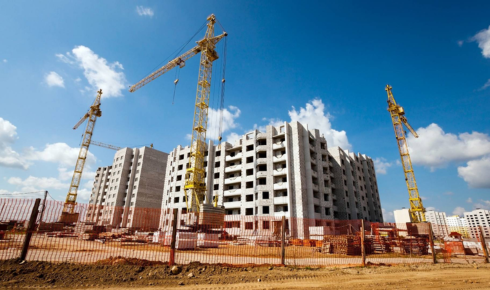
Old buildings in cities are often ripe for redevelopment – more floors, new amenities, repair of unsafe structures. But when a housing society ties up with a builder, the stakes are huge: members temporarily lose their homes, and builders invest crores. A clear redevelopment agreement is essential.
Key safeguards for societies:
- Transparent selection of developer through fair process,
- Detailed plans of proposed building, area to each member, timelines, and rent during construction,
- Bank guarantees or security from the builder for project completion,
- Clear clauses on what happens if there is delay or default,
- Proper approvals from authorities documented in the agreement.
Members should also ensure that their permanent alternate accommodation agreements (PAA) are individually executed and registered. Relying only on society-level documents can be risky.
For builders, clarity on vacant possession, cooperation by members, and dispute mechanisms is equally important. Redevelopment battles that land in court can freeze projects for years.
Done properly, redevelopment benefits everyone. Done casually, it becomes a never-ending nightmare of half-built structures and bitter litigation.

